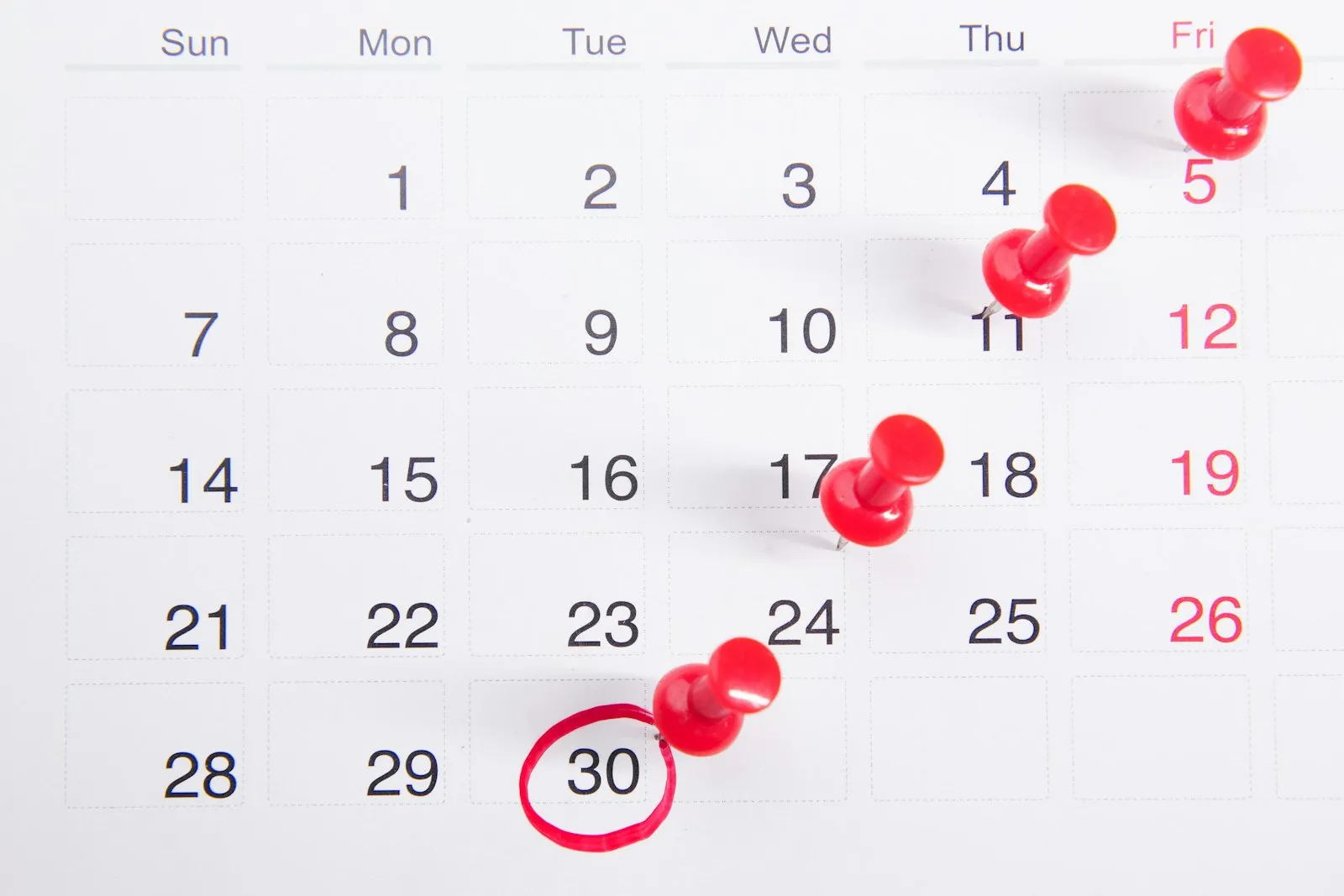
Renewal and notice
Ninety days out it is a decision. Eighty-nine days out it is a fact.
Auto-renewal is not the problem. The notice period attached to it is.
In one paragraph
Renewal calendars are built from an end-date field somebody typed at intake. Three things break that: the date was entered wrong or not at all, an amendment extended the term, or the notice period was never captured because it was not a field. A renewal calendar without the notice period is a list of dates that have already passed.
Shown rather than asserted
The date that actually matters is not in your calendar
Everything before the notice deadline is optionality. Everything after it is a commitment you made by not acting, usually without anyone deciding.
- 1
Day 0
The renewal date lands in the calendar, taken from an intake field
- 2
Minus 120
The review should start here, with time to run an alternative
- 3
Minus 90
Written notice is due. This is the date nobody is holding
- 4
Minus 89
The term renews automatically for another year
Of 380 renewals in the next twelve months, 67 have a notice deadline inside the next ninety days and none of them were in a calendar, because the notice period was never a field.
Solution, value, benefit, saved
What this capability does, and what it is worth
Four rows, no adjectives. If a row could appear on another capability page it would not be here.
| Solution | Value | Benefit | Where the money is |
|---|---|---|---|
| Identify the notice period from the clause | The date that decides the outcome, not the one on the intake form | Renewals become decisions instead of defaults | Every unwanted renewal avoided is a full year of spend |
| Track renewal minus notice, with a lead time | A second reminder before the deadline so there is room to act | Negotiation happens inside the window, where you have leverage | Suppliers price differently when you are not past the deadline |
| Read the uplift cap at the same time | The increase checked against what the agreement permits | Renewal quotes at the contractual maximum get challenged | Recovers the difference between the applied and permitted increase |
| Assign an owner per renewal | A named person rather than a shared inbox | The reminder reaches somebody who can act on it | Removes the single most common cause of a missed window |
Where the line is
How this differs from the page next to it
The most common complaint about contract software pages is that they all say the same thing. Here is the boundary, stated plainly.
What can we do
That page covers the full set of rights the portfolio holds, including termination and repricing. This one is specifically the calendar mechanics that decide whether any of them can still be used.
Obligation management
An obligation is something you must do for the counterparty. A notice deadline is something you must do for yourself, and nothing outside your organization will chase you for it.
The rest of what Aavenir Atlas does
 AI contract management Drafting, review, workflow and reading. Only the last one works on the agreements you already signed.Read the detail
 Contract analytics Unless the attributes were read out of the agreements rather than typed at intake.Read the detail
 Repository analysis Read them where they are, in whatever condition they are in.Read the detail
 Amendment analysis The single behaviour that separates a real reading engine from a demonstration.Read the detail
 Playbook compliance Deviation from your own standard, measured across the population and ranked by materiality.Read the detail
Bring an agreement and see this run on it
Trial teams pick the sample. We would rather show you this on your own paper than on ours.
Start Your 14-Day TrialFrequently asked questions (FAQ)
Renewal and notice FAQ
How far ahead should we look?
Twelve months of renewals, tracked on the notice deadline rather than the renewal date. Anything shorter and the earliest windows are already inside the period.
What if we have already missed the window?
Ask anyway on material agreements. Suppliers frequently accommodate out of relationship management, particularly against a longer term. Do not build a plan on it.
Who should own the calendar?
Procurement, with the reminder going to the category owner rather than a shared inbox. Shared inboxes are where notice deadlines go to die.
Does this need connected data?
No. Renewal dates, notice periods and uplift caps all come from the agreements themselves, which makes this one of the fastest capabilities to show value on.
Have a question we have not answered? Ask the Expert
Schedule a demo
Start your 14-day Aavenir Atlas trial.
- 1 A 30-minute Aavenir Atlas walkthrough We start from a real event, such as a price index move, an outage or an acquisition, and show the cited answers.
- 2 Then 14 days on your contracts Pick a sample of your signed agreements. We load them on our ISO/IEC 27001:2022 certified platform.
- 3 You keep the findings Every answer cites the clause it came from, so your team can check it before acting.
Prefer to talk first? Contact the team.
The form did not load. Contact the team instead, or refresh the page.